
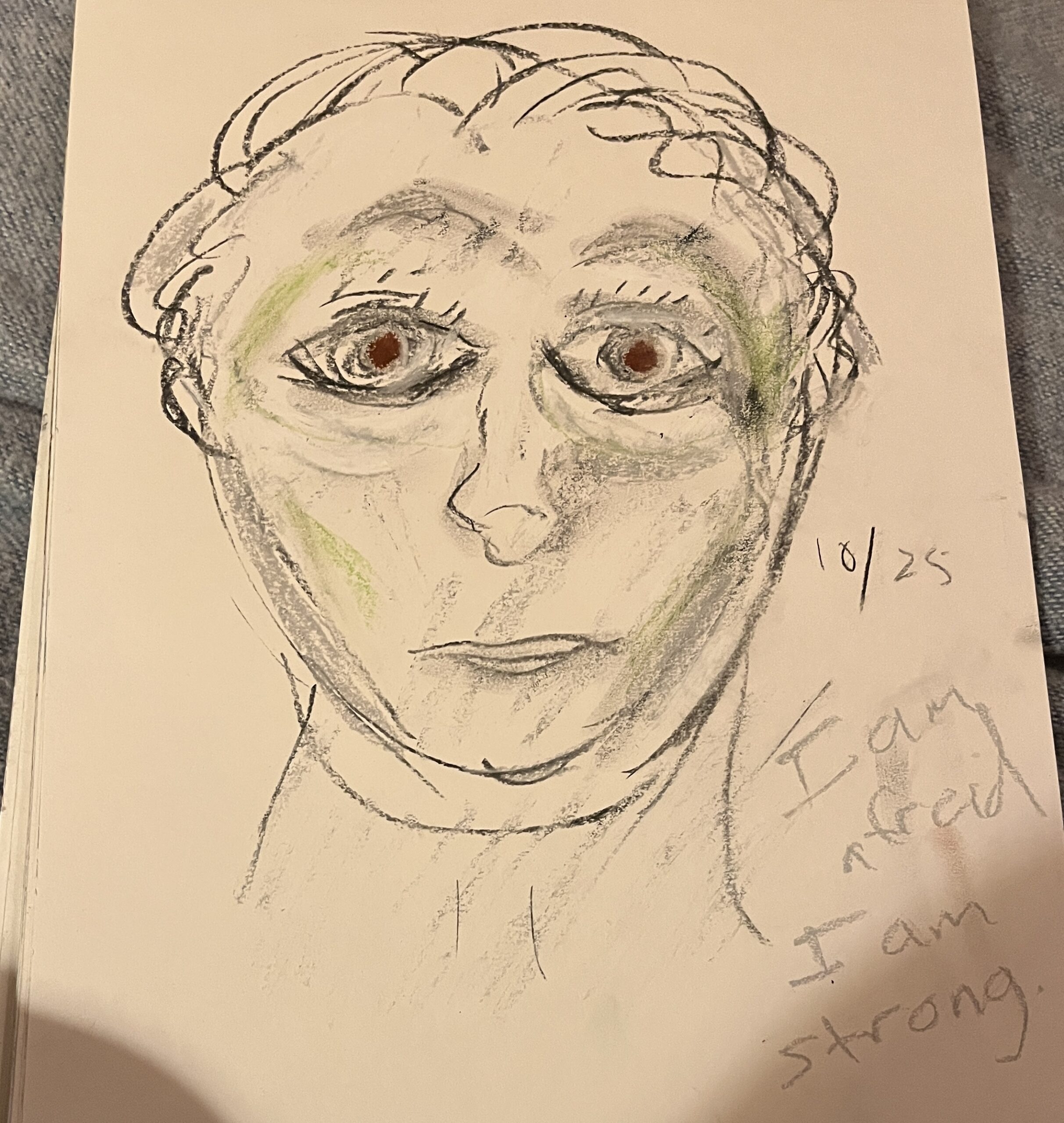
blog by Laura Brownstone, LCSW
I feel this freeze state in my bones.
The freeze state is an ancient, protective response that has shaped my life and the lives of many clients I work with. This involuntary, biological reaction occurs when we encounter an imminent threat. Though it can feel terrifying, it’s also adaptive and protective.
We often talk about survival responses like fight, flight, freeze, but there are others too: hide, submit, appease, and fawn – each serving a different function, depending on the situation. We don’t get to choose what survival state we enter. These responses are instinctive, deeply wired into our nervous systems.
In my own freezing experiences, I’ve felt stuck — powerless and unable to move. I recognize that there are protective aspects of freeze; it helps reduce the impact of threat. Part of my work as a therapist is helping clients understand that freezing is not a failure—it’s a natural response. If you identify with freeze more than fight or flight, I encourage you to meet it with curiosity rather than judgment.
It can be empowering and healing to understand your stress response style. It helps you make sense of your experiences and reconnect with yourself and others. What do you recall experiencing during moments of heightened stress? What body sensations do you experience? Cultivating curiosity about your emotions and sensations can reduce shame and help us feel safer in our bodies — rather than pushing through or criticizing ourselves for freezing.
Stories of freezing
Freeze can often manifest as night terrors or waking paralysis. This was true for me in my childhood. I often felt frozen in bed. When I think back to those times, I recall being visited by an elaborate cast of characters at my window when I couldn’t move. Though I never encountered a real vampire or a hungry alligator – two of my worst fears as a child — this frozen state returned once or twice or more.
Now as an adult living in Chicago, I am exposed to the excitement of city life and new kinds of threats, both real and perceived.
One day when my family and I were riding the Brown Line, headed downtown, I suddenly smelled a noxious odor–of the brakes on the train. I couldn’t get myself up and out of the train car. The more I tried to move, the more I couldn’t. Though I had several chances to get off the train or switch cars, my body wouldn’t respond. My mind raced with so many thoughts, but I couldn’t feel my feet. I was not in my body; I was in my head. To help myself feel grounded again, I started to breathe deeply into my belly and felt gravity in my seat; then I could communicate with my husband about this horrible smell. My body remained tight, but I had shifted out of freeze and back into the world. We eventually moved to another train car.
Another time, as I boarded the train at Belmont, I noticed a man with bottles strapped to his chest. My belly tightened, my jaw clenched, and my mind screamed bomb! I imagined they were tiny bottles of nitroglycerin, and he just needed the charge. I quickly got off at the next stop. (Later, I found out that this old man sold essential oils on the train for a living.) While I stood on the Brown line platform and looked around at other people waiting for their trains, I noticed my breath and my feet on the concrete. Being more mindful of my surroundings helped me to move more fully into the present.
Reconnecting with yourself during freeze
It’s helpful to view “freeze” as a state we can gently move through once we reconnect with ourselves and return to the present moment. Until then, freeze is instinctive and involuntary.
Just as taking deep breaths on the Brown Line allowed me to reconnect with the present moment enough to communicate with my husband, there are actions we can take to connect with ourselves during freeze.
- Butterfly Hug: I often will practice a Butterfly Hug during moments of freeze to reduce the intensity of the feelings. Butterfly Hug is where you cross your arms and alternate tapping the sides of your arms while breathing until the intensity reduces.
Subtle Tapping: I can also tap my feet on the floor or my hands on my legs—- less conspicuous, but still effective.
- Self-Talk is a cognitive tool I use to calm myself down. After the anxious moment I might tell myself, you are having a human moment. It already is passing. Your breathing is slowing down. You are safer now.
In this time of deep unrest and distress, reminding our brains and bodies that we may be safe in this moment can be profoundly grounding.
I would lovingly suggest, as we move forward, that we trust our instincts and be curious about what we are afraid of, ashamed of and feel anxious about in our lives. Exploring our fears, anxieties and feelings of shame due to immobility can offer opportunities to love and accept parts of ourselves more fully.